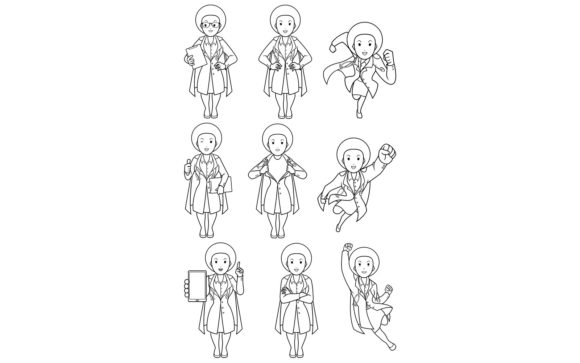
A Superhero Doctor Design for Embroidered Projects
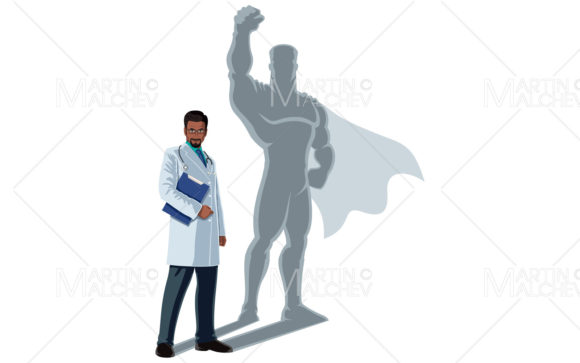
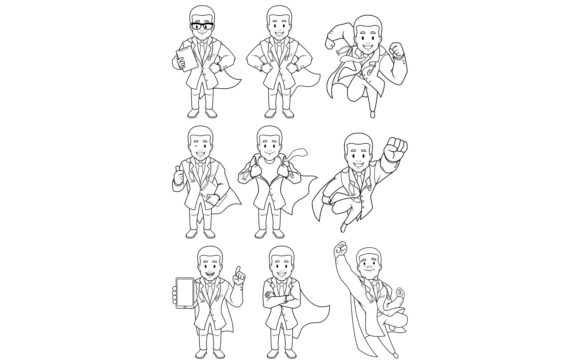
When I first opened the Super Doc African Female Line Art files, I was immediately struck by its cheerful, modern energy. This isn't a generic medical symbol; it's a character with personality. The clean line art style, featuring a cartoon superhero doctor in various poses, creates a sense of celebration and capability. It feels perfect for projects meant to uplift, empower, or simply bring a smile.
Where This Design Naturally Belongs
The graphic style tells you exactly what kind of embroidery project it's for. The bold, clear lines are begging to be translated into crisp satin stitches or even a clever applique. I instantly pictured it on a tote bag for a nursing student—a personalized, practical gift that carries a message. It would shine on a baby's blanket for a pediatrician parent, or as a standout patch on a sweatshirt. For small business owners, especially those on Etsy or at craft fairs focusing on themed gifts, this design offers a ready-made asset for custom apparel and handmade products that celebrate healthcare heroes.
Imagine a scenario: a client requests a custom embroidered apron for a doctor retiring from a community clinic. This design, with its affirming and superhero-themed poses, would create a uniquely personal and celebratory piece, far more engaging than a simple text logo. The visual personality of the Super Doc African Female Line Art adds significant perceived value.
Thinking Through the Stitching
In real-life embroidery, the success of a design hinges on how it translates from screen to stitch. The clean line art here is a major advantage. For machine embroidery, the distinct shapes mean you can achieve excellent stitching clarity without overly dense fill areas, which is great for fabric integrity. You’ll want to pay attention to thread color contrast, especially if stitching onto dark fabric backgrounds. A bold, contrasting palette will make the superhero doctor pop.
However, the level of detail in some of the smaller elements—like facial features or accessory lines—requires some practical consideration. On smaller hoop sizes, say for a child’s hat or a tiny patch, those fine details might need simplification or a slightly larger scale to remain crisp after stitching. Always test the design on scrap fabric first, using the same texture and weight as your final project. This is crucial for stretchy fabrics like t-shirts or on curved surfaces like caps, where distortion can occur.
Practical Notes for a Smooth Project
- Stabilizer is key: Using the correct stabilizer for your fabric will ensure those clean lines don’t turn into a wavy mess.
- Check your thread coverage: Review the stitch density in your embroidery software; you might adjust it for thinner fabrics like tea towels to prevent puckering.
- Consider the background: Test the design in both light and dark fabric mockups. A white satin stitch outline on a dark navy sweatshirt can look incredibly sharp.
- Inspect small details: Before committing to a final product, zoom in on the digitized file and check corners and tiny elements to ensure they’ll stitch out cleanly.
Building Trust and Engagement with Your Finished Product
Using a design like this in your craft business does more than decorate an item; it communicates a specific mood. For customers, a well-embroidered Super Doc African Female Line Art on a pillow cover or kitchen towel feels thoughtfully curated, not generic. This builds trust and enhances the handmade presentation. It speaks to recognition and celebration, making products highly giftable for occasions like graduations, promotions, or holidays.
For digital product sellers and apparel decorators, having the source files in multiple vector formats (like the included AI, CDR, and EPS files) is a professional boon. It allows for easy scaling and integration into printable mockups for your listings, or adaptation for different products without losing quality. This supports brand consistency across a line of merchandise.
Spaces Where This Design Requires Careful Placement
While versatile, some applications need a designer’s eye. On highly textured fabrics like certain blankets, the fine line details might get lost. For products that require frequent washing, such as baby clothes or aprons, ensure your stitch choices and thread types are durable enough to maintain the design's integrity over time. Also, be mindful of commercial use. Since this is categorised as an Illustration and Graphic, always confirm the licensing terms before selling finished items or incorporating it into other commercial embroidery projects.
A Final Reality Check
The true test of any embroidery design is on the final product. With its positive theme and clean aesthetic, the Super Doc African Female Line Art has the potential to become a standout element in your portfolio. It fits a niche that resonates personally with many people. By approaching it with the practical steps of testing and adaptation, you can transform this graphic into a beautifully embroidered piece that feels both professional and full of heart.