A Classic Tool Design for Embroidered Craftsmanship
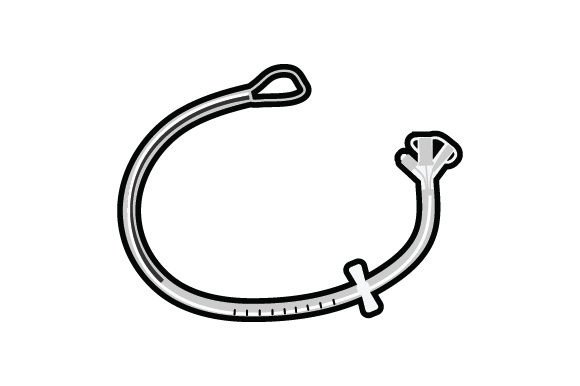
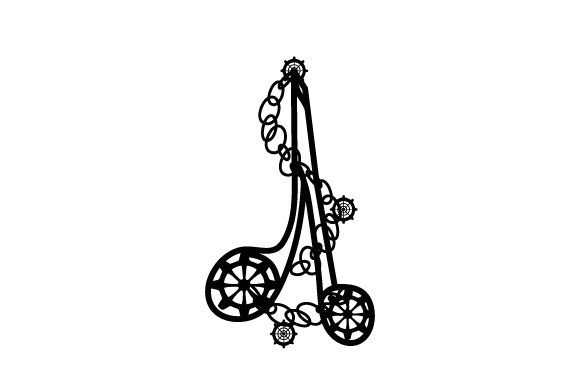
When I first opened the Vintage Old Medical Scissors embroidery file, my immediate thought was not about the design itself, but about the project it was destined for. This isn't just a graphic; it’s a character piece, a slice of history rendered in stitch. The silhouette is unmistakably classic, with that distinct curved blade shape that carries a sense of age, utility, and a quiet story. It doesn’t scream "steampunk" in a loud, gadget-laden way. Instead, it whispers it through a mood of antique craftsmanship, which, for a designer, is often more versatile and appealing.
The Natural Fit: Where This Design Finds Its Home
Imagine you’re preparing a batch of custom tote bags for a local boutique that leans toward a rustic, historical aesthetic. Or you’re embroidering a set of aprons for a cooking school that wants to evoke a sense of traditional skill. This is where Vintage Old Medical Scissors shines. The design has a straightforward, single-object layout that makes it a fantastic focal point. It’s detailed enough to feel authentic—you can see the hinge and the blade shapes clearly—but it’s not overly dense or cluttered with tiny lines that might vanish on textured fabric.
I’ve found that designs like this perform beautifully on medium-weight fabrics: canvas totes, denim aprons, linen pillow covers, or cotton kitchen towels. They become a statement piece on the product. On a heather gray sweatshirt, for instance, stitched in a deep navy or charcoal thread, it achieves that perfect balance of being noticeable without being garish. It feels like a badge of knowledge, a nod to a trade. For baby items or nursery decor, I’d be cautious; the theme is quite specific and mature. But for a personalized gift for a nurse, a doctor, a tailor, or any craftsperson, it’s incredibly thoughtful and direct.
Considering the Stitch: Practical Application Notes
In real embroidery work, the success of a design like this hinges on clarity. The open areas within the scissors silhouette will likely be filled stitches, while the outer lines and details will be satin or running stitches. Before running it on a client’s good linen, I always stitch it out on a scrap of similar fabric first. This lets me check the stitch density—does it feel too thick and puckery on a lightweight tea towel? Does it hold its shape on a stretchy cap? The design’s relatively solid form suggests it will be stable, but you must use a proper stabilizer suited to your base fabric to keep those clean lines sharp.
Thread color contrast is paramount here. On dark fabrics, a silver-gray or cream thread can make this pop in a metallic, tool-like way. On light backgrounds, a black or oxidized bronze color palette would reinforce the vintage feel. Since the product description lists SVG, PNG, EPS, and DXF formats, you have excellent flexibility for creating printable mockups or adapting it for various techniques, but always confirm the specific embroidery file details—like stitch count and recommended hoop size—from the seller before committing to a commercial project.
Scenarios for Success and Caution
Let’s talk about a real case: You’re an Etsy seller creating embroidered patches for a steampunk-themed costume or accessory line. Vintage Old Medical Scissors as a standalone patch would be a strong seller. Its recognizability and clean shape make it easy to finish as a patch and apply to bags or jackets. Conversely, on a highly curved surface like a baseball cap, the longer, straight blade lines might need careful hooping and stabilization to avoid distortion. Tiny, intricate details aren’t a concern here, which is a relief; the design avoids overly fine lettering or minute decorative accents that can blur under stitches.
For products that need frequent washing, like adult apparel or kitchen linens, the design’s solid areas should hold up well if embroidered with quality thread and proper technique. It’s not a fragile, thread-thin illustration. This robustness translates directly to product value and customer trust. A handmade presentation feels professional and lasting when the embroidered element is clear and durable.
The Designer’s Eye: Impact on Your Craft Business
Using Vintage Old Medical Scissors in your portfolio or product line does something subtle for your brand. It shows you curate designs with a specific mood and narrative, not just generic patterns. For a creative entrepreneur, that consistency in selecting designs that tell a story—even a simple one like this antique tool—builds buyer engagement. Customers looking for a genuine, non-cartoonish gift item will be drawn to it. Its giftability is high for niche audiences.
From a commercial embroidery standpoint, it’s a straightforward design to production-run. It’s unlikely to be a stitching nightmare with thread breaks or excessive jumps. However, always test it on both light and dark fabric backgrounds in your software or with physical samples to ensure the details translate well in both worlds. And this is a crucial note: before selling finished items or using this in client work, confirm the licensing terms. The provided formats are great for digital product sellers and craft businesses, but know whether your use is personal or commercial is allowed.
Final Thoughts Before Hooping Up
In essence, Vintage Old Medical Scissors is a dependable, character-driven embroidery design. It belongs in the crafts category not just as a decoration, but as a symbol. It works best when its story is matched to the product—a tool-themed design on a work apron, a historical motif on a vintage-style tote, a unique emblem on a boutique’s branded merchandise. It lacks hype; it offers a quiet, confident visual appeal that stitches out cleanly.
My practical advice is this: appreciate its mood, test its performance on your intended fabric, choose your thread colors with an eye for contrast and theme, and pair it with products that make sense. It’s not a design for every project, but for the right project, it elevates a simple embroidered item into a piece with a point of view. That’s the kind of design asset that supports a thriving craft business, one thoughtful stitch at a time.